As more families look for ways to support aging loved ones, in-home health care has become one of the most trusted and effective solutions. Instead of moving into a facility, seniors can receive personalized care right where they feel most comfortable, at home.
At Inspiring Angel Care LLC, the focus is simple yet powerful. Everyone deserves dignity, comfort, and independence at home. Through dependable and personalized support, seniors can continue living safely while receiving the help they need.
But what exactly is in-home health care, and why does it matter so much today? Let’s break it down in a clear, practical way.
What Is In-Home Health Care?
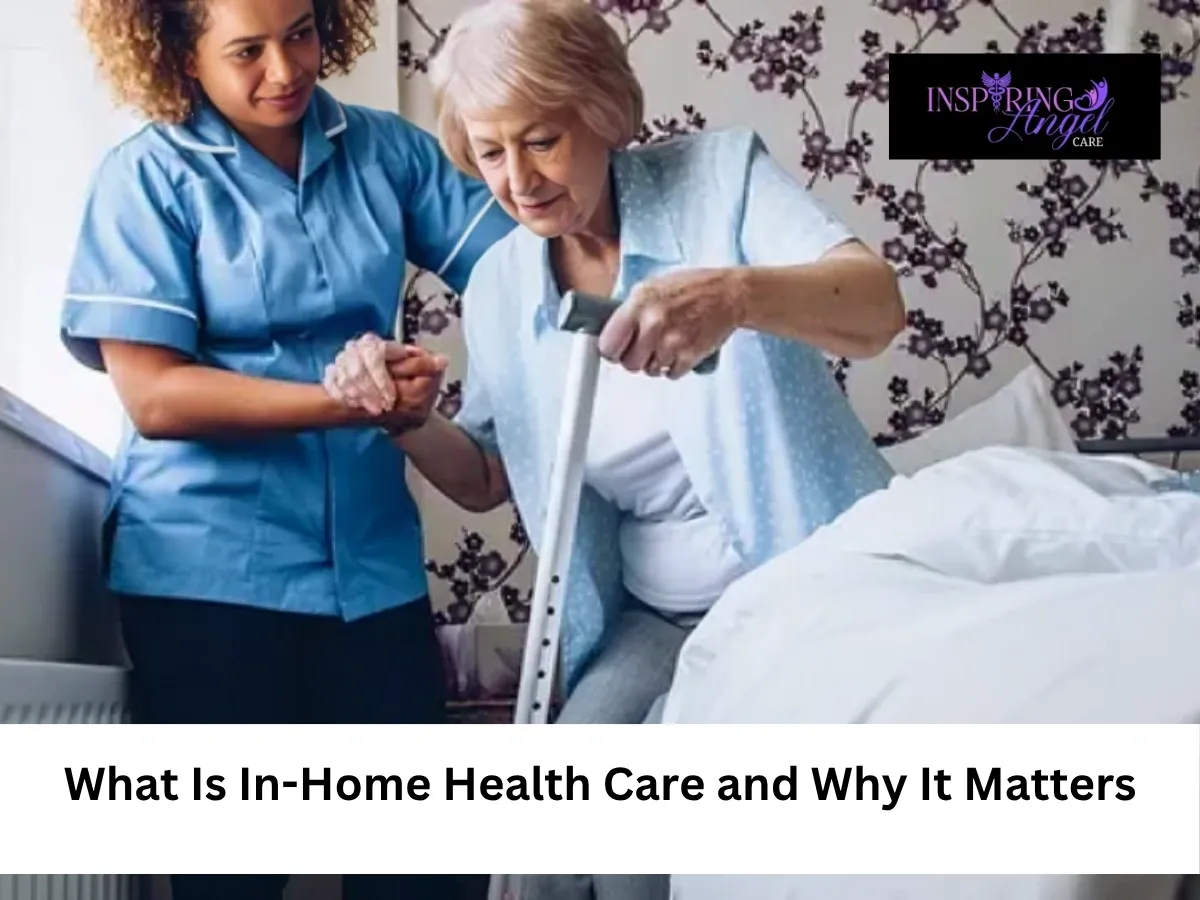
In-home health care refers to a range of medical and non-medical services provided in a person’s home. These services are designed to support individuals who need assistance due to aging, illness, injury, or disability.
Unlike hospital or facility-based care, this approach focuses on personalized home care tailored to each individual’s daily needs, health conditions, and lifestyle.
Types of In-Home Care Services
In-home care can include:
- Skilled nursing care such as medication management and wound care
- Activities of daily living (ADLs) assistance like bathing, dressing, and grooming
- Companion care services for emotional support and social interaction
- Therapy services including physical, occupational, or speech therapy
- Meal preparation and light housekeeping
- Transportation to appointments and errands
This flexibility is what makes home care services for seniors so valuable. Care plans can be adjusted as needs change.
Why In-Home Health Care Matters More Than Ever
Many competitor articles explain what home care is, but they often miss the deeper impact it has on quality of life. In-home care is not just about assistance. It is about preserving independence, dignity, and emotional well-being.
1. Supports Maintaining Independence at Home
One of the biggest concerns for seniors is losing independence. In-home care allows individuals to stay in familiar surroundings while receiving help only where needed.
For example, a senior who needs help with bathing or meal prep can still manage their daily routine, hobbies, and social life with confidence.
This approach encourages aging in place, which has been shown to improve both mental and physical health.
2. Personalized Care That Fits Real Life
Facility care often follows a fixed routine. In contrast, in-home care adapts to the individual.
Caregivers can:
- Follow the client’s preferred schedule
- Provide one-on-one attention
- Adjust care plans as health needs evolve
At Inspiring Angel Care LLC, services are tailored to each client’s unique situation, ensuring care feels supportive rather than restrictive.
3. EHomenhances Senior Safety at
Safety is a major concern for families. Falls, medication errors, and mobility challenges can pose serious risks.
In-home caregivers help reduce these risks by:
- Assisting with safe movement around the home
- Monitoring medications
- Identifying potential hazards like loose rugs or poor lighting
This proactive approach improves overall senior safety at home and gives families peace of mind.
4. Provides Emotional and Social Support
Loneliness is one of the most overlooked challenges among seniors. Many competitor blogs briefly mention companionship but fail to explain its real impact.
Companion care services can:
- Reduce feelings of isolation
- Encourage conversation and engagement
- Support mental health and emotional well-being
Even simple activities like sharing meals or going for a walk can make a meaningful difference.
5. Offers Caregiver Support for Families
Family caregivers often juggle jobs, responsibilities, and emotional stress. In-home care provides essential caregiver support, allowing families to rest and recharge.
For example:
- A working adult child can rely on a caregiver during the day
- Families can avoid burnout while still staying involved
- Emergency or respite care can fill unexpected gaps
This balance helps maintain healthier relationships between seniors and their loved ones.
6. Access to Programs Like the Passport Waiver
Many families are unaware of financial assistance options. Programs like the Passport Waiver program senior care help eligible individuals receive care at home instead of moving into a nursing facility.
Providers like Inspiring Angel Care LLC assist clients in navigating these programs, making quality care more accessible and affordable.
Key Benefits of In-Home Health Care
When comparing care options, the benefits of in-home health care stand out clearly:
- Comfort of staying in a familiar environment
- Greater independence and control over daily life
- One-on-one personalized attention
- Reduced risk of infections compared to facilities
- Flexible care plans that grow with changing needs
- Stronger emotional well-being and companionship
These benefits combine to create a higher overall quality of life.
Who Can Benefit From Home Care Services?
In-home care is not just for seniors. It can support a wide range of individuals, including:
- Older adults who want to age in place
- Individuals recovering from surgery or illness
- People managing chronic conditions
- Those with mobility limitations or disabilities
- Families needing temporary or long-term support
Whether short-term or ongoing, home care services for seniors and others can be customized to fit different situations.
How to Choose the Right In-Home Care Provider
Choosing a provider is an important decision. Here are some practical tips to guide you:
Look for Personalized Care Plans
Avoid one-size-fits-all services. Care should be tailored to the individual.
Check Caregiver Qualifications
Ensure caregivers are trained, experienced, and compassionate.
Ask About Flexibility
Care needs can change. Choose a provider that can adapt quickly.
Understand Available Programs
Ask if they support programs like the Passport Waiver to help with costs.
Read Reviews and Testimonials
Real experiences can give insight into reliability and quality of care.
Common Misconceptions About In-Home Health Care
“It’s Only for Medical Needs”
Not true. Many services focus on daily living support and companionship.
“It’s Too Expensive”
With flexible plans and assistance programs, it can be more affordable than expected.
“It Means Losing Independence”
In reality, it helps seniors maintain independence longer.
Final Thoughts
In-home health care is more than a service. It is a way to preserve dignity, independence, and quality of life for those who need support.
By combining personalized care, safety, and emotional connection, it allows individuals to continue living life on their terms. Whether it is help with daily tasks or more advanced care, the right support system can make all the difference.
For families exploring care options, understanding these benefits is the first step toward making a confident and informed decision.
FAQs
1. What is included in in-home health care?
It includes medical and non-medical services such as nursing care, ADLs assistance, meal preparation, companionship, and therapy services.
2. Who qualifies for home care services for seniors?
Eligibility depends on health needs and, in some cases, financial programs like the Passport Waiver. A care assessment typically determines qualification.
3. How does in-home care help with maintaining independence at home?
It provides support only where needed, allowing seniors to continue their routines, make decisions, and live comfortably in their own space.
4. Is in-home health care better than assisted living?
It depends on individual needs. In-home care is ideal for those who prefer staying at home while receiving personalized, flexible support.