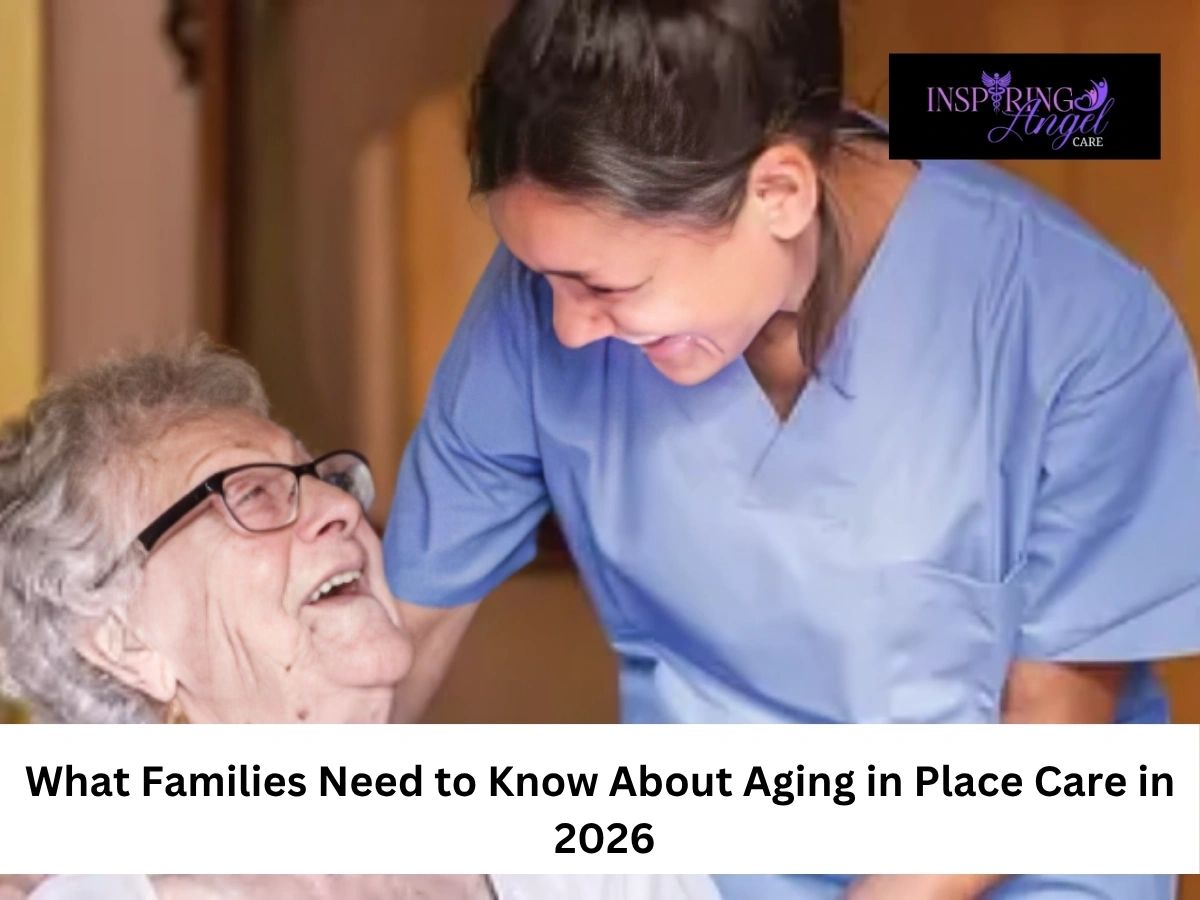
Aging at home is no longer just a preference. For many families in 2026, it is the most practical, comfortable, and emotionally supportive choice for older adults. But while the idea sounds simple, the reality involves careful planning, the right support system, and informed decisions.
Families today are navigating more options than ever before, from advanced in-home senior care options to smart technology and evolving healthcare support. Providers like Inspiring Angel Care LLC are helping families make this transition smoother by offering personalized, dignified care that supports independence without compromising safety.
This guide goes deeper than most online resources by breaking down what truly matters in aging in place 2026, including modern tools, real-life planning tips, and common mistakes to avoid.
Why Aging in Place Is Growing in 2026
Most older adults prefer staying in their own homes, surrounded by familiar routines and memories. But what has changed in 2026 is how achievable this goal has become.
Here are the key reasons behind the shift:
- Improved in-home senior care options that offer flexible support
- Rapid growth in smart home technology for seniors
- Increased focus on emotional well-being and independence
- Rising costs of assisted living facilities
- Better access to community-based care programs
Unlike many competitor articles that only highlight emotional benefits, it is important to recognize that aging in place today is supported by a complete ecosystem of care, technology, and planning.
Understanding Modern In-Home Senior Care Options
One of the biggest gaps in most guides is the lack of clarity around what care actually looks like. In 2026, in-home care is highly customizable.
Common Types of In-Home Care
1. Personal Care Assistance
- Help with bathing, dressing, grooming
- Mobility and fall prevention support
2. Companion Care
- Emotional support and conversation
- Help with daily routines and errands
3. Skilled Nursing Care
- Medication management
- Chronic condition monitoring
4. Respite Care for Families
- Temporary relief for family caregivers
- Flexible scheduling options
Working with a provider like Inspiring Angel Care LLC ensures that care plans are tailored, not one-size-fits-all. This is especially important as needs change over time.
The Role of Smart Home Technology for Seniors
Technology is one of the biggest upgrades to aging in place 2026. Many families overlook how impactful these tools can be.
Key Technologies Making a Difference
- Voice-controlled assistants for reminders and communication
- Smart fall detection systems that alert caregivers instantly
- Automated lighting and thermostats for safety and comfort
- Video doorbells and security systems for peace of mind
These tools are not just convenient. They actively reduce risks and improve independence.
AI-Powered Health Monitoring in 2026
A major advancement missing from many competitor blogs is the rise of AI-powered health monitoring 2026 solutions.
These systems track patterns in:
- Heart rate and vital signs
- Sleep quality
- Movement and daily activity
If something unusual happens, alerts are sent to caregivers or healthcare providers. This proactive approach helps prevent emergencies before they happen.
Affordable Home Accessibility Modifications
Making a home safe does not always require a full renovation. Many affordable home accessibility modifications can dramatically improve safety.
Simple Upgrades That Make a Big Impact
- Grab bars in bathrooms
- Non-slip flooring or mats
- Stair railings and ramps
- Walk-in showers
- Wider doorways for mobility aids
These changes support senior home safety, one of the most critical aspects of aging in place.
Financial Planning for Aging in Place
Another area where most articles fall short is cost transparency. Families need a realistic understanding of expenses.
Key Cost Considerations
- Hourly or full-time caregiver costs
- Home modification expenses
- Technology setup and maintenance
- Medical equipment and supplies
Ways to Manage Costs
- Long-term care insurance
- Medicaid waiver programs
- Veteran benefits
- Local community assistance programs
Planning early can prevent financial stress later.
Common Mistakes Families Should Avoid
Even with the best intentions, families often make avoidable mistakes.
Watch Out For These Pitfalls
- Waiting too long to start planning
- Underestimating future care needs
- Ignoring home safety risks
- Relying solely on family caregivers without support
- Not using available technology
Avoiding these mistakes can make aging in place safer and more sustainable.
How to Create a Personalized Aging in Place Plan
A successful plan combines care, safety, and flexibility.
Step-by-Step Approach
- Assess current health and mobility
- Evaluate home safety
- Explore in-home senior care options
- Integrate smart technology
- Plan finances and resources
- Reassess regularly as needs change
This approach ensures that your loved one can maintain independence while receiving the support they need.
The Emotional Side of Aging at Home
Beyond logistics, aging in place supports mental and emotional health.
Benefits include:
- Stronger sense of independence
- Reduced stress and anxiety
- Better connection to family and community
- Familiar environment that supports memory
These factors play a major role in overall well-being and quality of life.
Conclusion
Aging in place 2026 is more achievable than ever, but it requires thoughtful planning, the right support, and a willingness to adapt. From advanced in-home senior care options to smart technology and proactive health monitoring, families now have powerful tools to help loved ones stay safe and independent at home.
The key is to start early, stay informed, and build a care plan that evolves over time. With the right approach, aging at home can be not only safe but deeply fulfilling.
FAQs
1. What is aging in place 2026?
It refers to older adults living safely and independently at home using modern care services, smart technology, and personalized support systems.
2. What are the best in-home senior care options?
Options include personal care, companion care, skilled nursing, and respite care. The best choice depends on health needs and lifestyle preferences.
3. How does smart home technology help seniors?
It improves safety through fall detection, reminders, automation, and real-time communication with caregivers or family members.
4. Is aging in place more affordable than assisted living?
In many cases, yes. With proper planning, combining home modifications, part-time care, and community programs can be more cost-effective.

Leave a Reply